How Small Pharma Teams Are Using AI to Drive Efficiency, Compliance, and Growth
In This Episode
In this episode of the Life Sciences DNA Podcast, Manesh Naidu, Chief Commercial Officer at Tris Pharma, joins Nagaraja Srivatsan to discuss how pharmaceutical organizations can take a practical, business-first approach to AI adoption. Drawing on real-world commercial use cases, Manesh shares how AI is helping optimize sales force planning, enhance CRM workflows, streamline compliance processes, and improve field force effectiveness. The conversation offers valuable insights into identifying high-impact opportunities, delivering measurable ROI, and scaling AI initiatives without large technology investments.
Solving Real Business Problems with AI
Why successful AI adoption starts with addressing operational pain points rather than pursuing technology for its own sake.
Optimizing Commercial Operations
Using AI to improve territory planning, resource allocation, and sales force effectiveness.
Enhancing CRM Intelligence
Leveraging AI-powered insights, natural language queries, and next-best-action recommendations.
Strengthening Compliance and Contract Management
Applying AI to automate compliance checks and simplify commercial contract processes.
Building an AI Roadmap with Measurable ROI
How small and mid-sized pharma companies can scale AI through focused, high-value use cases.
Transcript
Daniel Levine (00:00):
The Life Sciences DNA podcast is sponsored by AgilisiumLabs, a collaborative space where Agilisium works with its clients toco-develop and incubate POCs, products, and solutions. To learn how AgilisiumLabs can use the power of its generative AI for life sciences analytics, visitthem at labs.agilisium.com. Sri, we've got Manesh Naidu on the show today. Whois Manesh?
Nagaraja Srivatsan (00:29):
Manesh is a seasoned commercial leader in thepharmaceutical industry who has helped bring important therapies to patientsacross several major companies. He's now chief commercial officer at TrisPharma, where he oversees how their medicines reach patients, providers, andpayers, and how the company positions itself for its next phase of growth.
Daniel Levine (00:48):
And what is Tris Pharma?
Nagaraja Srivatsan (00:50):
Tris Pharma is a specialty pharmaceutical company that'sknown for its work in ADHD with medication built on a proprietary drug deliverytechnology. They have carved out a niche taking complex formulation science andturning it into practical patient-friendly medicines that fit better into reallives. They are one of the few companies that have an extended release liquidformulation capability.
Daniel Levine (01:13):
So I'm going to ask you just from the commercial side,what are you hoping to hear from him today?
Nagaraja Srivatsan (01:18):
Manesh is really an experienced commercial leader. Andwhat I'm wanting to hear from him today is how is AI helping him in a smallpharma really do all the things which he was doing when he was in big pharma? Ithink from a commercial organization perspective, really making his field forceeffective, making sure that he is taking care of commercial compliance, lookingat contracts and rebates. These are all very critical use cases, and I'm hopingto hear from him on how he's having a very practical approach to deploying AIin his organization.
Daniel Levine (01:51):
Before we begin, I want to remind our audience that theycan stay up on the latest episodes of Life Sciences DNA by hitting thesubscribe button. If you enjoy the content, be sure to hit the like button. Letus know your thoughts on the comments section. And don't forget to listen to uson the go by downloading an audio only version of the show from your preferredpodcast platform. With that, let's welcome Manesh to the show.
Nagaraja Srivatsan (02:18):
Manesh, it's great to have you at the podcast, LifeSciences DNA. Really wanted to get your perspective on your journey before yougot this role. Maybe give a good background on your journey to this particularengagement, as well as your journey around AI and implementing that.
Manesh Naidu (02:38):
Thank you, Srivatsan. This is great. I'd love to chat withyou under any circumstance, even when it's casual. So to do it here isexciting. So I've been in analytics and technology for a little while now.Mostly, as you know, in pharma, and it started all the way back when I was atPfizer. I started at McKinsey, of course, but it was a different role; fromPfizer to Novartis. And then I was with a company called Icaria that was boughtby Mallinckrodt. And so that's my journey. I'm now at a much smaller companycalled Tris Pharma, and I'm playing the chief commercial officer role,hopefully doing it well also, but that's my journey of where I got to where I'mright now. And AI is super exciting because a lot of stuff that in a smallcompany where we are resource constrained to do can be done so much more easilyright now.
(03:45):
And that's the promise. And hopefully that we can talk alittle bit more about how it's going and what we are working on even now.
Nagaraja Srivatsan (03:55):
Yeah, no, that's fantastic. I mean, given your strongbackground in pharma and commercial, I'd love to explore the use cases you'redeploying. And it's really fortuitous that you're in a smaller company, but nowyou have this big power of AI to help [go] down this journey. So tell me, incommercial, how are you looking at AI and AI adoption? Which areas are mostimpacted?
Manesh Naidu (04:22):
The first thing that we are working on is analytics andthe sales force. Those are the two big areas that we are kind of looking into.One of the things that's moving faster than I expected also is actually lookingat contracts and making sure that contract compliance and checking off rebatecompliance when we get the data files. That's an area that we are also kind oflooking at. We're working with a company that's got a promising solution. Sowe're going to try and just try it out and put it in place. So there's just somuch happening all of a sudden, like everything everywhere, all at once kind ofstory. But on the analytics side, for example, we are thinking of what's theoptimal field force orientation right now in our currency--field force size--ifwe expand what it would look like. And normally we hire a consulting firm to dothat, quite honestly.
(05:29):
It's just too much to take on. It's rare, but you get todo it. And for a small company like ours, we definitely wouldn't have thebandwidth. But with AI, we can actually run scenarios of what that would looklike so easily. And that's one of the use cases that we are kind of testing outthat we wouldn't have been able to do internally at all before. We're alsodoing some more standard ones like adding an AI layer on our CRM, things likethat.
Nagaraja Srivatsan (05:57):
So both very good use cases, but before I jump into theuse case, tell me, how do you prioritize where you want to deploy AI first? Youhave, as you said, a smorgasbord of opportunities and you pick these areas. Isit opportunistic? Is it strategic? Are you going top down? Is it ROI driven?It'll be great to really understand how you select a use case. And then I wantto definitely deep dive into these two use cases, which are really fascinating.
Manesh Naidu (06:24):
Yeah. How we pick them is really based on what's causingus the most pain at this particular point. So it's where the business need isthat we have not been able to solve for.
Nagaraja Srivatsan (06:36):
It's very appropriate that you first identify a businessneed and a target. In these two, talk a little bit about sales force sizing[which] has been done as you know, time immemorial, in the old fashionedway--you go and do that with certain types of maps and do the territory. Sotell me, where is AI's role and how did you stumble upon what the solutionshould be?
Manesh Naidu (07:00):
Yeah, so we are using a purely analytical approach. We'renot doing routing as of now, although that's, from what I understand, it'sactually very doable also. But what we are looking at was what's theappropriate size and roughly adjacent zip codes. And we are doing a zip tourmap, if you will. And what we are doing is we're defining what the opportunityis in each zip code. And then we are asking AI to look at what the appropriatemix and matches are of the zip codes to ... And honestly, we are just using anoff the shelf AI model to do that right now. I'm talking about it because it'slike literally we are in the middle of doing this, so we haven't finished yet.
Nagaraja Srivatsan (07:53):
No, fantastic. And as you're going through this journey,what kind of roadblocks are you finding out? Is it AI is hallucinating or dataverification is not there, the data infrastructure is not good?
Manesh Naidu (08:06):
Yeah, we've not checked on hallucinations just yet. Sothat's a watch out that we have to repeat. What we are finding is the mostuseful thing is to be able to do some quick iterations when we change certainthings, like in terms of a lot of the ... Right now, what we are doing at thebackend is trying to figure out what's the right question. So what's the rightresource allocation strategy? And as we fiddle through that, we don't have toget it right the first time. And I think that's the biggest advantage becausethe resource allocated to actually doing the analysis was so large, you feltcompelled to get it right the first time before. Now we're just trying stufflike literally it's throwing things at the wall and seeing if it makes sense,if it sticks and makes sense. And that's where we are at right now.
Nagaraja Srivatsan (09:01):
And what kind of a team configuration, Manesh, you'redoing? Because this requires deep domain knowledge, right? That's your businessuser knowledge on what happens and of course the technology knowledge to bringit together.
Manesh Naidu (09:11):
It's literally the head of sales, the head of analytics,and me working together on this to define what we're looking for.
Nagaraja Srivatsan (09:20):
And is that a large team to deploy this work or notbecause of AI?
Manesh Naidu (09:24):
No, we are a small field force team, so no.
Nagaraja Srivatsan (09:29):
Perfect. So you're playing it on with different scenariosand then picking the right one?
Manesh Naidu (09:34):
I took this as an example of something that's easy to playaround with and I don't know where it's going to end up, but it's the kind ofstuff that to me is exciting because if we can do this, then that really is aproof of concept that we can kind of deploy resources or solve problems that wedidn't have resources to solve that easily before.
Nagaraja Srivatsan (10:01):
No, that's a very good approach to how you want to bepractical about AI. You're picking problems which previously could have beenonly solved with a large consulting company or a large analytics project andmultiple different models to now being able to do it with three folks together.Is there a resistance from the business side, from a head of sales oranalytics, or there's lots of strong collaboration? How's this working out?
Manesh Naidu (10:28):
No, we don't have the luxury of doing that, I don't think.No, there's no resistance. We haven't even thought about resistance at thispoint because we've grown a little organically and we've also grown our productbase from three to five and have slightly different customer targets right nowthan we had when the territories were drawn up the last time. And so it's duefor a change, it's due for an optimization and realignment. And we are alsoplanning for potential growth next year, and so that's the other piece that wehave to think about now.
Nagaraja Srivatsan (11:08):
And is there a strong need for an ROI for you, your CEO'sasking, or is this still like an experimentation and it's not costing you toomuch?
Manesh Naidu (11:18):
Right now it's still experimentation, but the case for anROI, just for us, should be fairly simple. If you have another product, you canimagine six products in the bag or five plus launching a new indication is notgoing to be that viable with the field force as designed for three products.
Nagaraja Srivatsan (11:43):
Of course. Of course. So just the optimization of thatacross your different product lines would justify what you're trying to do overhere. So let's go to the other use case. You started to build AI on top of yourCRM. Walk me through that. Was that in-built from the CRM and you just used thecapabilities there? Was it something, as you said, you had a use case?
Manesh Naidu (12:06):
We are using a smaller CRM, so it's not the industrystandard right now, but they're fairly popular in some parts of the world andthey have Copilot built in and we are leveraging that to essentially run somebasic data scraping, if you will, from our own data sets. So helping the repsask natural language questions and pull some data for them more effectively,but also to start to suggest some next best actions, including some routingsuggestions, for example. One of the specific things that we are looking at,when you're entering a call, after you've finished a call, once you're enteringthe call notes, and right now we have dropdowns. I'll get to that in a second.We are even going to suggest if there's other customers in the area that theycould be calling on as a reminder that they haven't seen them in a while,things like that.
(13:17):
So some of these are built in questions that we have theAI know to check for. So it's prompted based on thinking that we have doneinternally, but it'll be run automatically in the background through thesystem. Like I said, one of the things is we don't have open notes and anotherthing that we are looking at is can we allow open note taking, but run an AIengine on top of that to check for compliance? So we would have to train it. Sowe are thinking through what that training would look like. We're talking to acompany that's built a training set already on the regulations and rules in ourindustry.
Nagaraja Srivatsan (13:59):
Oh, that's fascinating. I mean, you've literally taken aCRM and built an exposed action very quickly using a small Copilot interface.How do you go about the process? Was that a semantic layer you had to build interms of the type of questions the reps would ask or was that rep training ordid you consolidate a lot of the questions from them on the way they are? Walkme through the process. How easy was it to deploy something like that?
Manesh Naidu (14:28):
Yeah. So what we started out with was gathering use casesof what questions the reps are looking for. So we basically had them runthrough what their calls are. Obviously, we picked a select number of peoplewho are high users of the data and we just had them walk through. A lot of itis just getting the average or the people below average up to the better, moreproficient users of the system. If we can do that, we probably improve ourproduct, our ability to use the data significantly on the whole. If we can geteveryone below average to average, that helps a lot right there. And so that'sthe goal. So that's where we started from, just pulling best practices andtraining the AI to pull that data.
Nagaraja Srivatsan (15:23):
And did you go off the shelf product or did you do it muchlike Copilot, so you're using large LLMs to help you through that?
Manesh Naidu (15:32):
It's off the shelf for the CRM. The CRM has it built in.
Nagaraja Srivatsan (15:37):
And so all you had to do was to literally train them inthe type of questions and kind of things which the reps would naturally ask andthen make sure that it's working in the background for all reps. As you said,take the below average to make them average. No, fantastic. It seems like allthe past journey of what you've done with legacy systems, you're now applyingit in a very rapid manner in a small setup, but doing all the things which youwould do in a big infrastructure. So walk me through, what does 2026 look like?What are exciting things that you need to scale and where do you think AI canplay a big part in that journey?
Manesh Naidu (16:17):
Yeah, from little to small and small things to somewhatbigger things. So one of the small pain points that my reps have is if they doa lunch and learn, the sign-in sheet has to be uploaded into our expensetracking system so we can submit it for Sunshine Night reporting and it is avery painful manual process. And just being able to scan that, I hate to sayOCR is AI, but really combining all these different things into an easy to useinterface where you scan it, you send it off and it looks for those people andpre-populates it. So the reps still have to check it and sign off on it, butthat's one thing I'm excited. I think that should be fairly doable. So that'sone we are working on right now. And another one, which is slightly more, isdifferent than what we've looked at because this is not something that we didthat much in the past, but allowing for open field note taking in the CRM issomething I'm excited about because previously it was too onerous, particularlyfor a company like ours to be able to do because you'd have to monitor whatpeople are writing in the CRM.
(17:28):
If you can put a semantic layer on top of it that'strained on all the regulations and in a prior art in terms of the legalprecedence, you can actually get a pretty good read on things that are okay,things that are absolutely not okay, and only the in between stuff can getflagged for human review. So I'm excited about being able to do that becauseit's somewhat constraining to not have notes to lean on from your priorconversations with customers. And that's a big value of CRM systems that wedon't have in pharma.
Nagaraja Srivatsan (18:06):
It's fascinating, right? Previously we had people who tooknotes, then we put strong CRM to structure that they cannot write that. And nowyou're saying, let's go back to the way people should be, which is very naturaland we'll use AI to categorize and bring it all together, but also be verycompliant.
Manesh Naidu (18:24):
And now you have best of both, right, because of that.
Nagaraja Srivatsan (18:27):
And as you start to put this thing together as a CCO,how's your partnership with ... Are ideas coming from the business and then ITimplements it or is it a joint implementation effort? Walk me through theprocess because a lot of people are facing this challenge around business ideasand IT ideas and how do you bring that together from a change perspective?
Manesh Naidu (18:48):
We have a very small team, so that helps speed up. But wehave started by just starting, focusing on the pain points that we currentlyhave in the business. What are we trying to do that we are not able to do? Bydoing that first, we are able to kind of prioritize pretty easily. But to behonest, a lot of the ideas are coming from vendors we talk to, because peopleare looking to solve these problems and talking to a lot of their customers.And so we get to see how people are implementing it by talking to vendors whoare bringing us potential solutions.
Nagaraja Srivatsan (19:27):
Manesh, that's a fascinating approach, right? So there wasthis classic place where people build custom, when I say small LLMs or customimplementations that are on large LLMs, and kind of where you're going issaying, "Hey, let me bring and fit for purpose vendors for fit for purposeproblems and bringing it together." Is that a conscious choice from abuild versus partner or build versus implement what's out there in the market?Walk me through that decision because previously pharma used to build everythingfrom scratch.
Manesh Naidu (20:03):
Yeah. We don't have the scale to build, so that's reallyout of the question for us. In fact, without AI, we won't even have the scaleto buy probably, but it's really reduced for small companies, it's reallyreduced the barriers for what we can do.
Nagaraja Srivatsan (20:19):
One of the problems as you go in with each of these fitfor purpose vendor solutions, how do you bring that all together? Because youmay have something for the CRM and then you go into contracts and that has adifferent LLM train and then you go to something else and that has ... Are youthinking there's an agentic orchestration to be done or how do you get thesedifferent disparate systems to talk to each other?
Manesh Naidu (20:44):
We haven't thought about orchestrating the agents to worktogether yet. So right now they're solving defined problems for us, businessproblems, and so they're all separate. So when we get this, we are working onthis, but we are implementing a system to review the contract compliance whenwe have managed care contracts, and that system is really going to be isolatedand not talking to any other system. Could it be talking to the system thatdoes, for example, our trade kind of inventory monitoring? Absolutely could.And you can connect that to the data that comes from commercial and Medicaidseparately, but right now we are looking primarily at commercial contractcompliance.
Nagaraja Srivatsan (21:44):
It makes sense because where you're going as a smallcompany, what you're saying is, "Hey, I have a defined problem. Let mefind a defined solution and solve for that and get the benefits out of it." And later on you can think about, do I orchestrate it? Do I getconnectivity going? And there are different ways to doing it, but I think it'sa smart way to solve as many different functional problems you can. The onlydownside to that is vendor spend, right? So if you contract with each one individually,then their cost and ongoing implementation costs could be higher, but that'sfor another year problem, right? It's not a common problem.
Manesh Naidu (22:32):
The ROIs are so clear though. At this point, we don'tquite care about that because it's so much so beneficial for us to put thesesystems in place. But yeah, we'll have to think about that soon enough. We willhave a very balkanized solution set.
Nagaraja Srivatsan (22:49):
But it also gives you the flexibility because you can swapit out when things get better and you can solve for that problem in a muchbetter way. The technology is changing so fast that you're getting theflexibility before you had to make the commitment for a long term. Right nowyou don't need to do it. You're solving problems. And if things are better,then you can swap things in and out while not changing the whole coreinfrastructure.
Manesh Naidu (23:13):
And when we have the luxury of building, we'll probably build an agent to oversee the other agents anyway.
Nagaraja Srivatsan (23:19):
That makes sense. So Manesh, as you look into, as a chief commercial officer in the next 12, 24 months, where do you see all of thisthing going? How do you see these agents or these fit for purpose solutions helping you and then helping you scale? So walk me through your thinking, whathappens in the next 12, 24 months?
Manesh Naidu (23:42):
That's a tough question for me because we are being veryopportunistic right now just because the opportunities are so large. To stretchan analogy, we are picking up diamonds on the beach and we haven't reallythought about the jewelry that we are going to craft with this or how manywe'll be able to carry next year. It's changing so fast. Literally from monthto month, I'm hearing different ideas, better ideas from people that we speakto that we can barely keep up with just doing the things that we need right nowthat we can solve so quickly.
Nagaraja Srivatsan (24:28):
So you have many vendors come and pitch to you. What isyour criteria? Because six people claim that they're going to solve the problemand everything. How do you make sure that you separate the wheat from thechaff, making sure that you're getting the best solution for yourself? Walk methrough the decision process.
Manesh Naidu (24:49):
For the most part, we are relying on people who we alreadyhave a relationship with. That said, we are talking to the contract compliancepiece, for example, is someone that we ... It was actually a cold call. It justhappened to be talking about a problem that we had that we didn't know how togo about solving, and they had a good solution. We've vetted it and costsattractive enough that we are just going to go ahead and try it because there'slow risk of ancillary kind of damage or effects from not ... Because it's justdoing stuff that we just can't do. So there's mostly upside to that kind ofstuff. So that's why we are going with someone we don't have any relationshipwith. A lot of what we are doing is keeping the IT team busy and looking at allthe ideas that we are coming up with.
(26:00):
One that I just got today, the questions that they havefor a new tool that I had them evaluate was, and I haven't even read itactually, it's a tool to help a sales rep practice making calls with a virtualdoctor. So we train the system with all of our materials and of all of our MLRrules and guidance documents. And then the idea is that it plays a physician,the AI system plays a physician and has a dialogue, a voice to voice dialoguewith a rep to help them practice making a call.
Nagaraja Srivatsan (26:47):
Training is a fascinating use case. I've seen that andactually rep training and improving rep training, as you said, take the belowaverage rep to average, to performing above average is a huge lift for you interms of sales. So there's a lot of good ROI and return, and there are a fewother companies which are there in the marketplace.
Manesh Naidu (27:08):
We spoke to three or four of them and they all offer aboutthe right solution. So we are at the point of saying, okay, what are thequestions that we would want to ask to make sure that they can actually have asystem that's a learning system, not just for training, but actually a systemthat can learn on the fly as we go.
Nagaraja Srivatsan (27:28):
So Manesh, this is a defense question. As your IT startsto evaluate each of these vendors, what is the biggest risk you're trying toprotect? Is it that they're training on your data? Is it compliance? Is ithallucination? Is it transparency? Is it cyber? What is your biggest thing likecheck the box where, "Hey, if it doesn't do this, then I'm not going touse the system."
Manesh Naidu (27:55):
So our biggest hurdle right now is the fact that the AIsystems are seeing our proprietary data. I'm not fully comfortable and becausethe IT team is not fully comfortable that we have kind of solved that yet.That's another value of doing little chunks of it because we only do what weare comfortable within that and isolate it and monitor it very carefully to seethat the risk is mitigated so that our access to our proprietary data is ourbiggest concern.
Nagaraja Srivatsan (28:27):
And how do you protect that or is it contractual? Arethese vendors telling you that they won't train in your data because... is itcontainerized to your infrastructure?
Manesh Naidu (28:38):
It's a combination of it's just a low risk if it does leakand containerizing it within our instance.
Nagaraja Srivatsan (28:47):
Okay. Makes sense. Just kind of protecting yourself.
Manesh Naidu (28:51):
But the part that, although we've got assurances,contractual assurances that they're not training on the data, we have no way ofknowing that, quite honestly.
Nagaraja Srivatsan (29:02):
That's a very fair risk. Is there other risks in terms ofsay hallucination or model drift and stuff like that?
Manesh Naidu (29:12):
We've not thought about model drift. We have not reallyevaluated hallucinations because that is a serious consideration for the CRMpiece, but once it's ready, we are going to just test it and keep testing it, Ithink, to make sure that it's giving us what we expect for known questions withknown answers, so we can test on that. But again, that's also the least likelyarea where these systems are likely to hallucinate. So I don't know if that's agood test. Short of pitting one to test the other, I don't know how ... It's anarea I think I need to learn a little bit more about.
Nagaraja Srivatsan (29:50):
Yeah. The Champion Challenger model, several offices haveused that where you use one LLM to pit against the other or train. One is thedoer and the other as the auditor. Those are all good problems to have as youstart to use this to make an impact. Manesh, I know this has been a fascinatingconversation and we can continue to have this for a long, long time, but itseems like you've kind of created a playbook, right? As a small pharma, as yousaid, you're able to bring in the tools and approaches which you had access towhen you were part of a big pharma, you're bringing in not just the thoughtleadership on how to do this, but the tools and technologies to make it happen.And actually having a small team is actually giving you easier access to changebecause when I talk to big pharma and other people, they have a big changemanagement challenge while you're three people getting together solvingproblems and making it happen.
(30:47):
So it seems like an exciting journey. Any last words forour podcast users who are going down this journey? What advice would you liketo give them and say what should they do and what should they not do in this AIjourney?
Manesh Naidu (31:01):
I'm sure there's a lot of things we are doing thatshouldn't be done. So I'm not the best person to give that advice. But what I'dsay is our approach has been to jump enthusiastically into the shallow end ofthe pool, minimize the risk, keep it to a containable kind of problem. And thatby definition we'll mitigate the likely downsides of moving too fast becauseyou won't be breaking anything big or important. And things like doublechecking, training, giving suggestions, not directions, those are the kind ofways in which we are mitigating the risk of moving quickly or faster than saysomeone with more at stake or doing it in places where there's more at stake,would do. So that's our approach. Again, we could change on a dime should welearn that there's more risks that we're taking on. And that's honestly thebiggest thing.
(32:09):
The one thing that we didn't talk about is compliancerisk. And so we do need to be careful about that. And so that legal is always apartner in this as much as IT is, I think.
Nagaraja Srivatsan (32:19):
No, no, you're spot on. No, this has been a fascinatingconversation. Thank you so much, Manesh, for your time and really appreciateyou jumping and having a wonderful conversation on how to transform commercialfrom a pharma perspective. Thank you.
Manesh Naidu (32:33):
This is lovely. Thank you, Srivatsan.
Daniel Levine (32:38):
Well, it's interesting to hear Manesh. What did you think,Sri?
Nagaraja Srivatsan (32:41):
I think Manesh is a very practical implementation person.He started to pick use cases which really are big pain points for him and he'ssolving for it in a very practical manner.
Daniel Levine (32:52):
We talk a lot about implementing AI on the research anddevelopment side and the implementation challenges and the change managementthat goes with that. Is there something easier from implementing it on thecommercial side?
Nagaraja Srivatsan (33:11):
I don't think it's easier. Commercial also has compliancerequirements, but what I think Manesh has been doing is a very practicalapproach to picking the use case, getting the right teams in play to understandan idea on what the solution is, picking a set of vendors who can actuallysolve for that use case and then deploying them. As you'll start to look atcommercial, there's a whole smorgasbord of use cases which you can deploy andhe's going about picking the ones which are most problematic for them and thensolving for it one at a time.
Daniel Levine (33:43):
You were talking about the cost of using multiple vendorsand the kind of balkanized approach that he's working with right now. He saidROI is so clear right now, it's not a problem. Is that surprising to hear thatthere's clear ROI at this point?
Nagaraja Srivatsan (33:58):
I think so. I think he's having a very practical approachto picking a process at a time and getting the ROI specific to that process.And that's a very good way from a change management perspective. If you've gotmultiple teams to adapt, what is good for them rather than trying to make itenterprise good for everybody, he's solving very specific problemspragmatically.
Daniel Levine (34:19):
So when I think about using AI, I'm thinking about thespeed and analyzing data on the commercial side, help me find targets and bemore targeted in my approach or help with decision making. It was sointeresting to me hear how they're using it to train reps, particularly wherethe AI plays a doctor in a conversation. Is that something that people don'tappreciate, the potential to use AI as a sales training tool?
Nagaraja Srivatsan (34:52):
Yeah. AI is a fantastic buddy to train you and it canprovide you a lot of different scenarios. I mean, we noticed that in theinterview process, you can use AI to train you better to prepare yourself forthe interview. It's a similar construct. Training will be completelyrevolutionized with the way AI can come on. Pedantic one way of training isgoing to go away into a much more of an interactive process, and that is goingto make sure that you're learning better, retaining better, and being able to applylearning better as you start to go out and do what you're supposed to do in thefield you choose to be in.
Daniel Levine (35:27):
Well, it was great to hear new ways that AI is beingdeployed in this industry, but Sri, thanks as always.
Nagaraja Srivatsan (35:34):
Thank you. Take care.
Daniel Levine (35:40):
Thanks again to our sponsor, Agilisium Labs. Life SciencesDNA is a bimonthly podcast produced by the Levine Media Group, with productionsupport from FullView Media. Be sure to follow us on your preferred podcastplatform. Music for this podcast is provided courtesy of the Jonah LevineCollective. We'd love to hear from you. Pop us a note atdanny@levinemediagroup.com. For Life Sciences DNA, I'm Daniel Levine. Thanksfor joining us.
Our Host
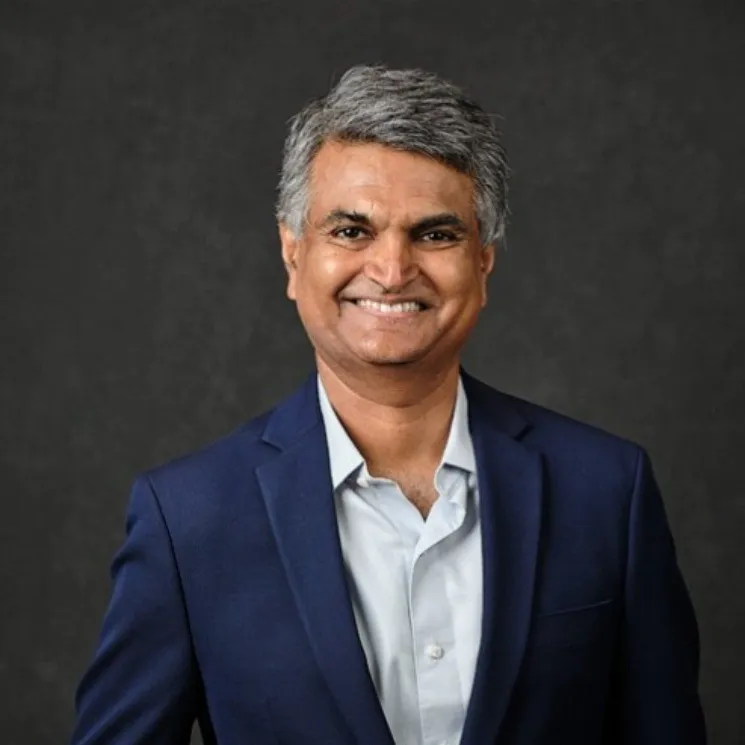
Nagaraja Srivatsan
Senior executive with over 30 years of experience driving digital transformation, AI, and analytics across global life sciences and healthcare. As CEO of endpoint Clinical, and former SVP & Chief Digital Officer at IQVIA R&D Solutions, Nagaraja champions data-driven modernization and eClinical innovation. He hosts the Life Sciences DNA podcast—exploring real-world AI applications in pharma—and previously launched strategic growth initiatives at EXL, Cognizant, and IQVIA. Recognized twice by PharmaVOICE as one of the “Top 100 Most Inspiring People” in life sciences
Our Speaker
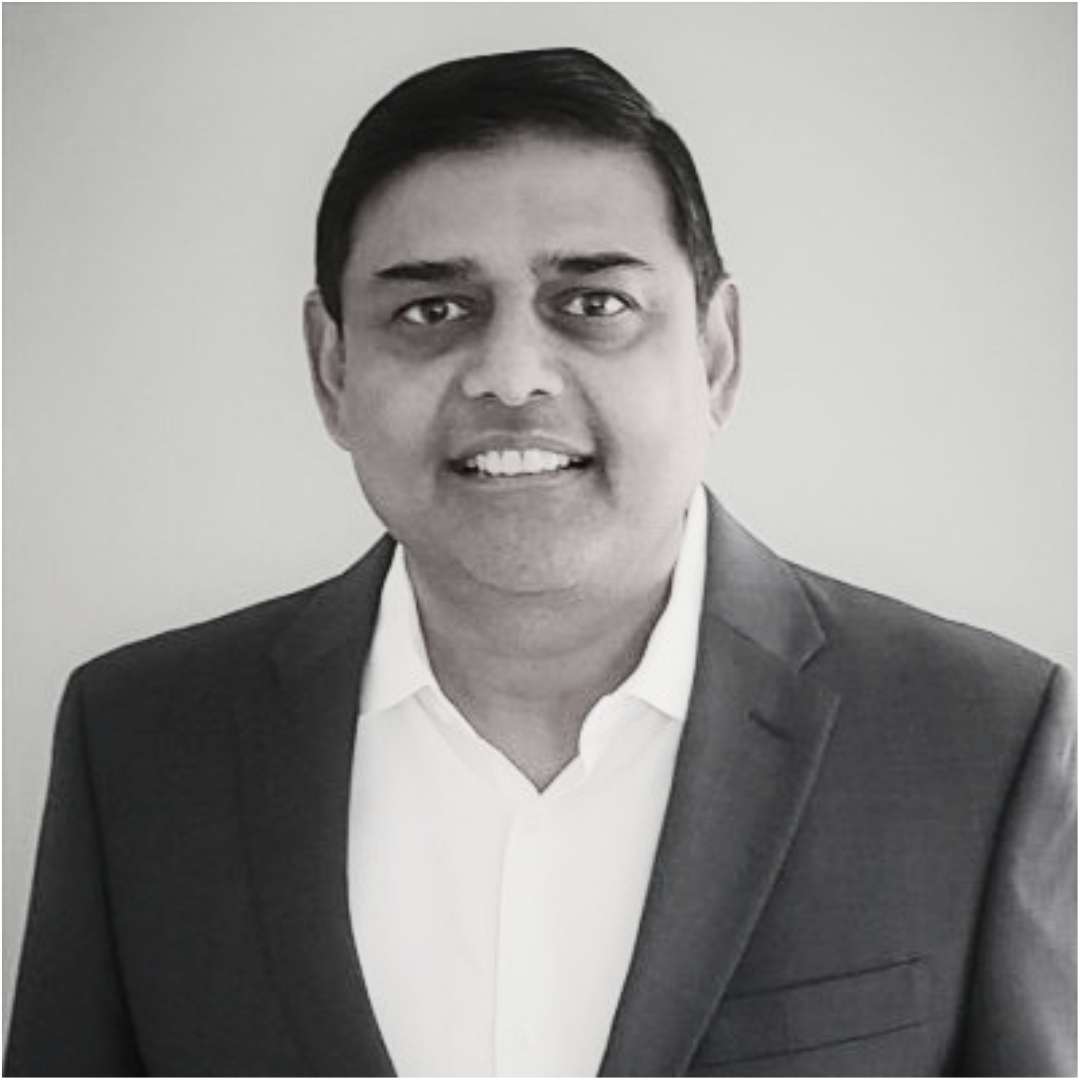
Manesh Naidu
Chief Commercial Officer at Tris Pharma, Manesh Naidu brings decades of experience spanning analytics, technology, and commercial leadership across the pharmaceutical industry. He is passionate about applying AI to solve practical business challenges and accelerate growth in resource-constrained environments.
Recent Episodes