Insights

Blogs



Case Studies




Events

Pharma CXO Roundtable 2025
Advancing Life Sciences Business Process Innovation Using Autonomous Agentic Al

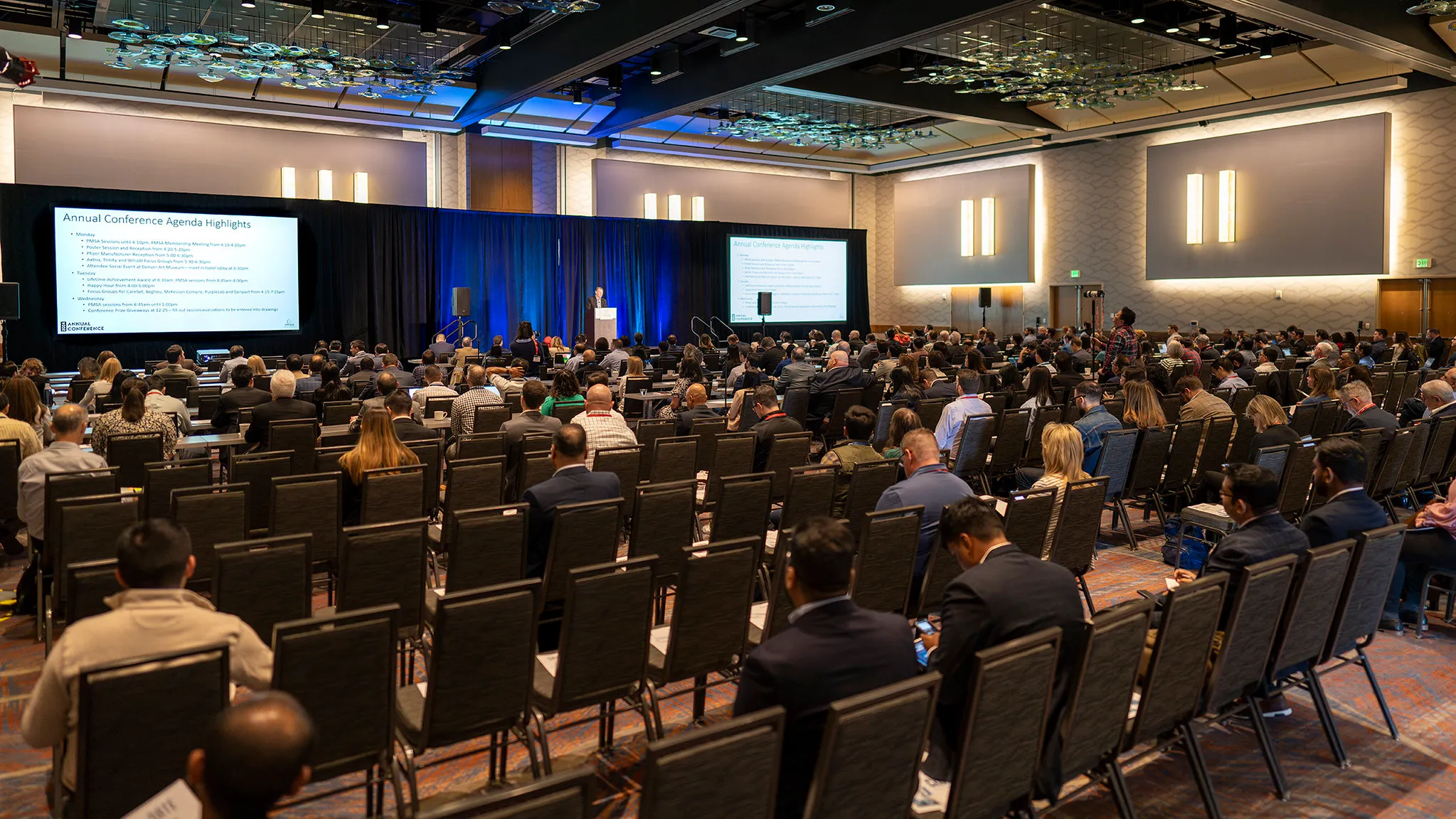
PMSA 2025 Annual Conference
Revolutionizing Pharma Commercialization with Agilisium's AI Agents
White Papers

Beyond Human-in-the-Loop: Why AI in Pharma Needs Human-Aided Intelligence (HAI)
Discover how Human-Aided Intelligence (HAI) combines AI capabilities with human expertise to improve decision-making across pharmaceutical workflows.

Six Capability Pillars of the AI-Era Life Sciences : From Six Capabilities to Evidence-Backed Deployment Readiness
Life sciences organizations are building AI capabilities, but determining who is ready for real client engagements remains a challenge. Course completion and skills assessments alone cannot establish whether professionals can combine domain expertise, AI judgment, and business acumen to solve complex problems. Without evidence of demonstrated capability, deployment decisions remain difficult to validate.

From Reactive to Predictive: How Clinical Quality Intelligence Can Redefine Inspection Readiness in Clinical Trials
Clinical trial quality management still runs on reactive workflows - TMF gaps surface close to inspection, EDC anomalies get escalated late, and protocol deviations pile up without trial-level trending. With ICH E6(R3) now in force as the global GCP standard, that model is no longer defensible.